Sailwind: A patient, technical sailing simulation for focused players
Sailwind, developed by Raw Lion Workshop, is a Windows sailing simulator that recreates Age of Sail navigation and seamanship for simulation fans. The game places players on open oceans and asks them to manually trim sails, steer, and use celestial instruments rather than automated aids. Key systems include a physics-driven sail model, dynamic weather, and a trading economy tied to long voyages. The title suits hardcore simulation enthusiasts and players who enjoy slow, tactical progression and mastery.
What kind of game is Sailwind and what drives play?
The game is a physics-based sailing simulator set in an open-world ocean where navigation and survival define player goals. Players plan voyages between island chains, transport cargo for gold, and manage hunger, thirst, and sleep as part of trip planning. So, the loop centers on preparation, navigation, and resource management rather than combat or linear missions, giving each voyage practical stakes linked to the economy and character needs.
Does it have multiplayer and how do mechanics shape interaction?
Sailwind is a single-player experience that forces solo decision-making by design, since time-compression during sleep complicates cooperative sessions. Mechanics require manual rope work, sail trimming, and compass and quadrant readings; cargo weight and wind shadows directly alter handling. Thus, the playstyle rewards meticulous procedure and learning, not fast reflexes, and the absence of combat keeps attention on seamanship and trading outcomes.
What does the game look, sound, and feel like at sea?
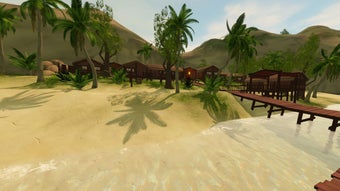
The presentation emphasizes atmosphere: large swells, shifting skies, and wind-driven soundscapes support the Age of Sail aesthetic. The interface relies on physical instruments, paper maps, and in-world objects rather than HUD markers, which keeps immersion high but places more cognitive load on the player. Some aspects are a little all over the place for newcomers because the game expects players to interpret visual and audio cues without constant prompts.
How steep is the learning curve and what keeps players returning?
Navigation demands real techniques, such as celestial observation and chronometer use, so beginners face a steep learning arc. Replay drivers include varied ships, customization options, and weather randomness that change voyage outcomes. The title has earned Very Positive reception on Steam, reflecting satisfaction among players who invest the time to learn ship handling and long-distance planning.
Sailwind suits methodical players who want maritime craft mastery
Sailwind is a deliberate choice for players who enjoy taking time to learn technical skills and accept slow, consequence-driven play. It rewards patient practice and careful planning but requires commitment to its procedural systems and solo pacing. Players seeking focused, contemplative voyages and mastery of nautical technique will find its design purposeful; those wanting immediate action or cooperative sessions should consider that the game emphasizes solitary, long-form navigation.